4 Essential Fireplace Maintenance Tips for Homeowners
Today’s new homes can feature a variety of fireplace styles, from direct-vent gas and vent-free models to electric or ethanol options.
While the maintenance needs vary by type, a few smart habits can help keep your fireplace looking great, operating efficiently, and supporting a safe home environment year-round.
Key Takeaways
Inspect the finishes around your fireplace for gaps, cracks, or settling, including trim, drywall, tile, stone, and any exterior joints.
Seal small gaps and repair minor damage early to prevent moisture, drafts, and bigger long term issues.
Improve efficiency when not in use by minimizing air exchange based on your fireplace type, such as keeping glass fronts closed or flues shut.
Schedule an annual inspection or service tailored to your fireplace type to check safety, venting, and performance.
Keep the unit clean and follow manufacturer guidelines for operation, shutdown, and fuel use to support a safe home environment.
1. Inspect Surrounding Materials for Gaps or Cracks
Periodically check the area around your fireplace, including interior finishes, trim, drywall, tile, stone, or exterior stucco where applicable. Look for small gaps, hairline cracks, or signs of settling. Even minor openings can allow moisture or drafts that may lead to bigger issues over time.
2. Seal and Repair Small Issues Early
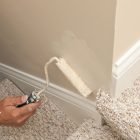
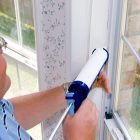
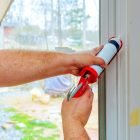
If you notice small gaps around interior trim or exterior joints, use the appropriate sealant for that surface and finish it to match. For cracked grout, loose tile, or damaged stonework, a qualified professional can help make repairs that protect both the look and the structure around the fireplace opening or chase.
3. Boost Efficiency When the Fireplace Is Not in Use
Different systems handle airflow differently, but the goal is the same: avoid unnecessary heat loss or unwanted drafts.
For direct-vent gas fireplaces, keep the glass front closed and ensure vents remain unobstructed.
For wood-burning fireplaces, a closed flue helps prevent air exchange when not in use.
For electric fireplaces, confirm the unit is powered off when not needed and keep the heating function off unless you want supplemental warmth.
For ethanol fireplaces, follow the manufacturer’s guidance for safe shutdown and storage of fuel.
4. Schedule an Annual Check Based on Your Fireplace Type
An annual inspection is a simple way to catch small problems before they become expensive repairs.
Gas fireplaces benefit from a yearly service to check ignition, burners, venting, and safety sensors.
Vent-free gas units should be inspected regularly to confirm clean operation and proper room ventilation.
Electric fireplaces should be checked for dust buildup around vents and inspected if you notice unusual sounds, smells, or performance changes.
Ethanol fireplaces should be kept clean and used only with the correct fuel, following all manufacturer safety recommendations.
With a few proactive checks each year, you can protect your investment, keep your fireplace running the way it should, and enjoy cozy Florida evenings with more peace of mind.
Make fireplace care a simple part of your yearly home maintenance routine.
Homeowners can log into their My ICI Home portal to connect with their dedicated warranty team, or visit our Warranty page to submit a service request.
If you are exploring the idea of building a new home in Florida, we would love to show you how ICI Homes designs and builds around your imagination. Click here to contact us and learn more about building with ICI Homes and discover what makes our experience different.

 Key Takeaways